
World Sea Turtle Day
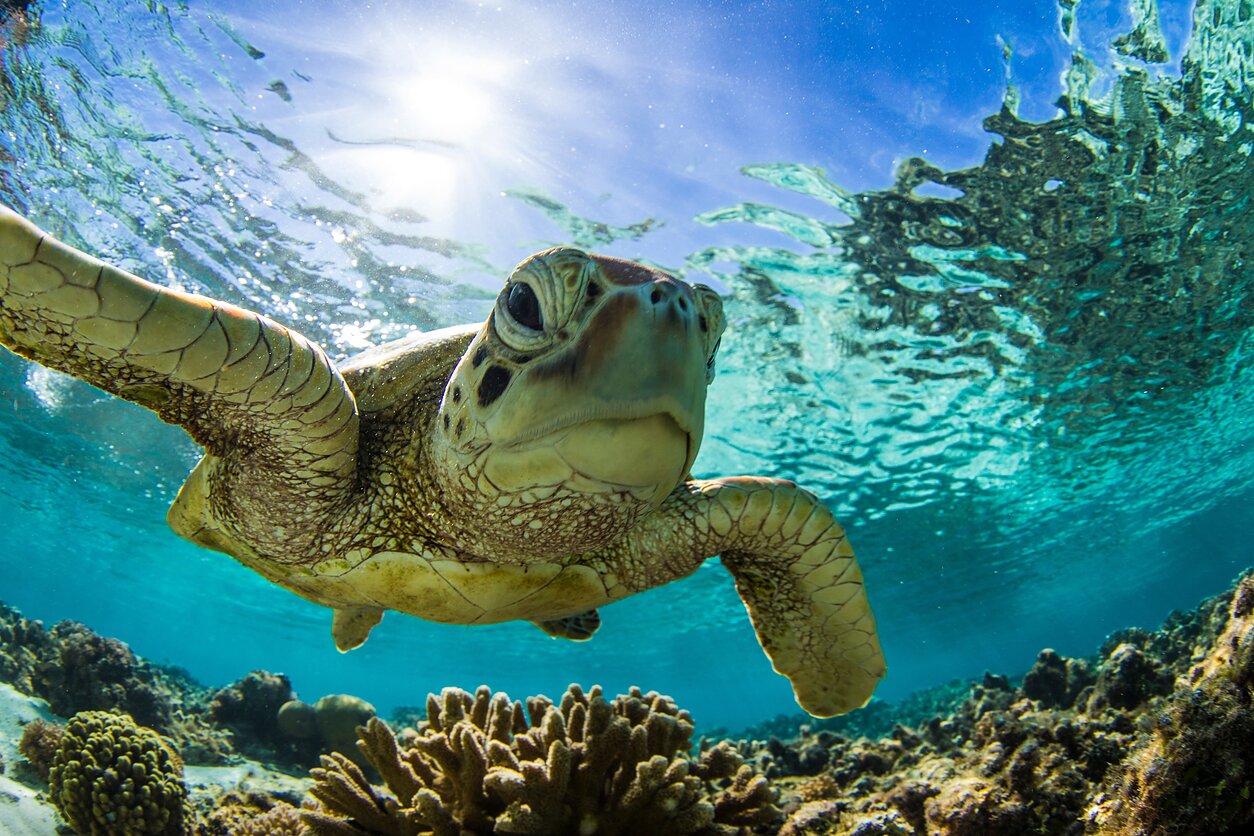
World Sea Turtle Day has been celebrated annually on June 16 since 2000. The date was chosen to honor the birthday of renowned sea turtle researcher Archie Carr, who was born on June 16, 1909.
The purpose of this day is to raise awareness about the challenges sea turtles face around the world. Over recent decades, their populations have declined significantly due to human activities. Plastic pollution, noise, artificial lighting, and increased human presence on beaches often prevent female turtles from nesting successfully, causing them to return to the sea without laying their eggs. Many sea turtles die after swallowing plastic debris, mistaking it for jellyfish. Every year, thousands become entangled in fishing nets and drown. Illegal collection of turtle eggs for sale remains another serious threat. In the wild, adult sea turtles are primarily preyed upon by large sharks, while eggs and hatchlings are vulnerable to fish, birds, dogs, crabs, and other predators.
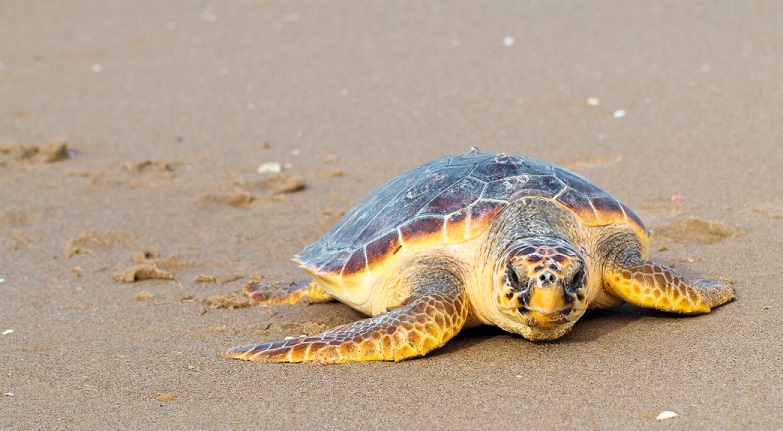
Two species of sea turtles can be found along the Turkish coastline: the loggerhead sea turtle (Caretta caretta) and the green sea turtle (Chelonia mydas). Both species are protected and listed in conservation databases due to their vulnerable status.
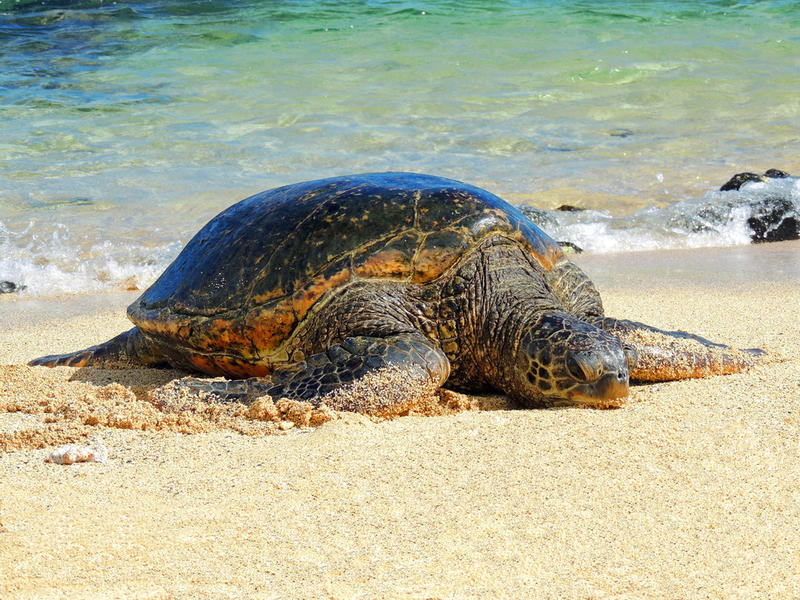
The green sea turtle gets its name from the greenish color of the fat beneath its shell, although the shell itself may appear brown or nearly black. It is unique among sea turtles because it feeds mainly on seagrass and other marine vegetation.
Sea turtles possess many remarkable characteristics. They can sleep for 4–7 hours and remain underwater for up to 10 hours without surfacing for air. All sea turtle species are protected. The sex of hatchlings depends on incubation temperature: at around 31°C, most hatchlings are female, while at 27.7°C, most are male. Temperatures between these values produce a mix of both sexes. As global temperatures rise, the increasing number of females compared to males poses a growing threat to the long-term survival of sea turtle populations. Unlike land turtles, sea turtles cannot retract their heads or flippers into their shells. They live exclusively in warm tropical and subtropical waters, and the largest green sea turtles can weigh up to 400 kilograms.
The life cycle of sea turtles is incredibly fragile. Only about 1% of hatchlings survive to adulthood, with most falling victim to predators during their first days of life. Sea turtles provide no parental care after laying their eggs. Despite these challenges, they can live for up to 80 years.
Sea turtles are among the ocean's oldest and most fascinating inhabitants. Their survival is closely connected to the health and balance of marine ecosystems. Protecting them means protecting the oceans themselves. The more we learn about these extraordinary animals and the threats they face, the greater our chances of ensuring that future generations will continue to share the planet with them. 🌊🐢